Wasp Barcode Technologies: The Barcode Solution People
Sochi Olympics Security & Regulations Will Complicate Logistics
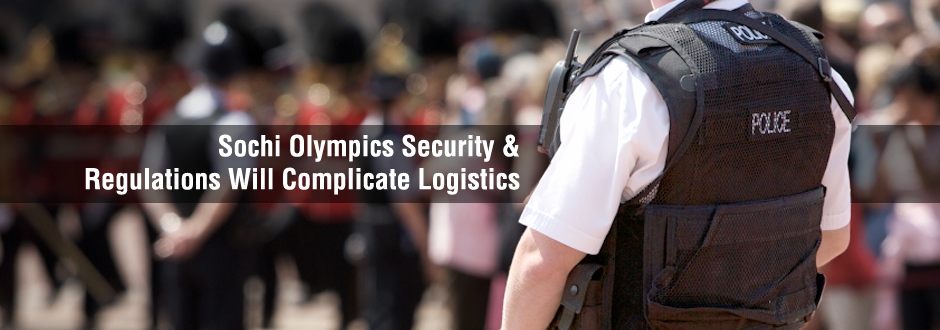
The Sochi Olympics will last only 17 days but the logistics are staggering. There will be more than 5,500 athletes and team members along with 1,350 Paralympic athletes. In addition, there will be more than 25,000 people on the support staff and 12,000 members of the media. More than 3 billion television viewers will be watching the event.
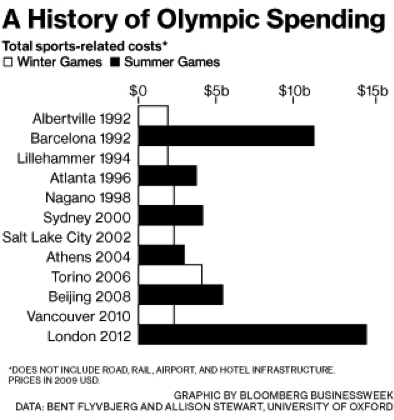
The 2014 Winter Olympics in Sochi will be the most expensive Olympic event ever held, for both attendees and participants. Attendees will pay up to $14,000 per night for a five-star hotel and up to $50,000 for a ticket to the opening ceremony. Those prices, while staggering, pale in comparison to the $50 billion spent to actually prepare the venue and to provide the goods and services necessary to support the event.
Security concerns remain in the headlines with potential terrorist threats emerging. The Russian Federal Security Services and local police will have their hands full keeping the athletes, staff and general public safe. The US military has even dispatched warships to the region as a precaution against any catastrophic terrorist actions.
“A catastrophic terrorist strike at the Sochi Winter Olympics would present the United States with a logistically mind-boggling and diplomatically delicate challenge: How to get more than 200 American athletes safely out of Russia.”
Erin McClam, NBC News
Due to the complexity of the logistics, any company or individual planning to bring goods into Sochi should prepare well in advance. For example, only a few checkpoints can pass certain types of goods for entry to the country. The elevated security levels will also make the transportation of inventory items time consuming undertaking. It is imperative that you work with a freight forwarder and customs broker familiar with both the region and the new regulations pertaining specifically to moving goods to the region before and after the event.
You will want to familiarize yourself with Russian government Decree 911, dated November 3, 2011 and Eurasian Economic Community Customs Union Decision Number 663, dated March 14, 2011. While there are other regulations that may apply, these two speak specifically to the Sochi Olympics. Working with an experienced freight forwarder is crucial to guarantee your goods reach the venue without incident, delays, or fines.

While there are specific marking and labeling requirements for importing goods to Russia for the Olympics, there are extensive regulations regarding cosmetics, hygiene products, food, and certain types of equipment. No rapid-fire guns, long guns, armor piercing ammunition, switchblades or other similar weapons can be imported. If you are responsible for ensuring firearms and ammunition reach the site for use in the games, you must have a special permit.
All goods heading to Sochi Olympics should include markings for:
- Designation for or Paralympic or Olympic Sochi 2014 and the specific event
- The full venue name and address
- Sochi as the final destination
- The customs office address
- The consignor and consignee names and addresses
- Number and weight
Wood packaging may be subject to a phytosanitary check before release. If your goods are in reusable wooden crates or on pallets, you will need to allow extra time for this process and ensure that the certificate travels with the goods.
The Sochi Olympics has designated Aeroflot as the official airline, Russian Railways as the official rail freight services provider
, and Ingosstrakh as the official insurance services provider. The official freight forwarder and customs broker is Kuehne and Nagel. If possible, working with these companies may simplify the entire process because of their specific expertise. You can find the official lists along with contact details
here.
During the entire first quarter of 2014, the area around Sochi will be under tight security; requiring deployment of more than 37,000 security personnel. Every delivery vehicle must be registered and have a special permit. The cargo must be screened and sealed and the vehicle must have an assigned slot on the master delivery schedule to prevent undue congestion on roadways and docks. There are similar requirements for removing goods after the event.
The logistics for this event are as complicated as logistics can ever be, so it’s important to be aware of the regulations and to ensure your goods are marked properly. After all, it takes a lot of beets to create the 70,000 gallons of borscht that the 7,000 chefs and waiters expect to serve during the Sochi Olympics - not to mention all the other food, equipment
, and personnel necessary for the event.
Due to the potential complications in keeping track of all the regulations as well as all equipment and goods, it would be beneficial to investigate available tools for tracking assets and inventory. There are easy-to-use, quick to implement, and financially cost-effective software solutions available, like Wasp’s
Asset and
Inventory Management solutions, to assist in your tracking needs; knowing what you have and where it is for each stop in the Sochi Olympics will eliminate stress and allow you to focus on the games.